
Wool has a reputation for being hot, heavy and itchy, which is a shame, because the right wool is one of the most comfortable things you can wear outdoors in summer. It handles damp without feeling clammy, it shrugs off sparks from a cooking fire far better than synthetics, and it holds its shape through a long weekend of sitting on hay bales. The trick is buying the right wool, not avoiding it.
Woollen and worsted
The single most useful distinction is how the yarn was made. Woollen cloth is spun from shorter, carded fibres and is often fulled after weaving, which gives it a soft, slightly fuzzy, warm surface. Worsted cloth is spun from longer, combed fibres laid parallel, which makes a smoother, harder yarn and a cooler, crisper fabric. For a summer gown, kirtle or doublet, a lightweight worsted is usually the more comfortable choice.
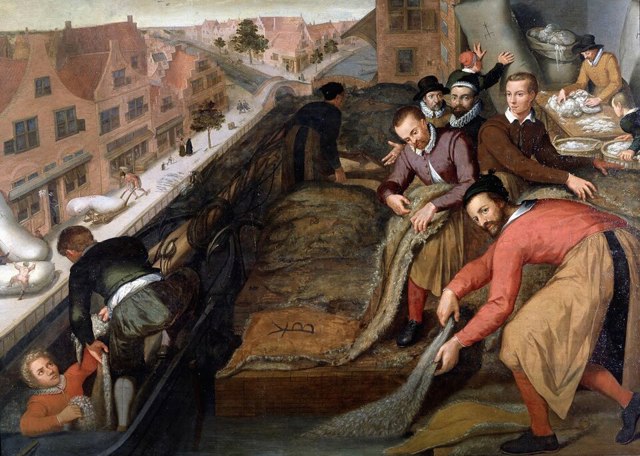

Weight matters more than colour
Ask for the weight. Sellers may quote grams per square metre or ounces per yard; either is fine as long as you know what you are comparing. For summer outer layers, something in the region of 200 to 300 grams per square metre is a comfortable range. Heavier cloth suits cloaks and winter gowns; lighter cloth may need a linen lining to keep its shape.
Buy the weight you will wear in August, not the weight that looks impressive on the bolt.
Weave
A plain tabby weave breathes well and is easy to sew. Twills drape beautifully and wear hard, which makes them good for skirts and hose, but they can feel warmer at the same weight. Avoid anything with a heavy napped finish for summer use; it traps heat against the body.
What to ask before you cut
- Is it all wool? Blends can melt rather than smoulder near a fire, and they do not felt or drape the same way.
- Woollen or worsted? If the seller does not know, look at the surface: worsted shows the weave clearly; woollen often blurs it.
- Has it been washed or fulled? Unwashed wool can shrink noticeably the first time it gets wet.
- Is the colour fast? A summer storm will find out for you if you do not.
Whatever the answers, buy a little extra and test a swatch at home. Wash it the way you will wash the garment, let it dry, and measure it again. If a scrap is offered, a careful burn test outdoors will tell you a lot: wool smoulders, smells of singed hair and leaves a crumbly ash, while synthetics melt into a hard bead.
Wearing it in the heat
Choose lighter colours for outer layers, keep a linen smock or shirt next to the skin, and leave linings out where you can. Most of the comfort of historical clothing in summer comes from that linen layer, which you can change, and the wool layer above it, which you can open, loosen or take off when the afternoon gets hot.


