
Nothing dates a sixteenth-century outfit faster than what happens at the neck. In seventy years the fashionable neckline went from a wide, square opening filled with a simple partlet to a starched cartwheel ruff that could frame the face like a plate. Get the neckwear right for your decade and the rest of the outfit suddenly looks intentional.
The partlet
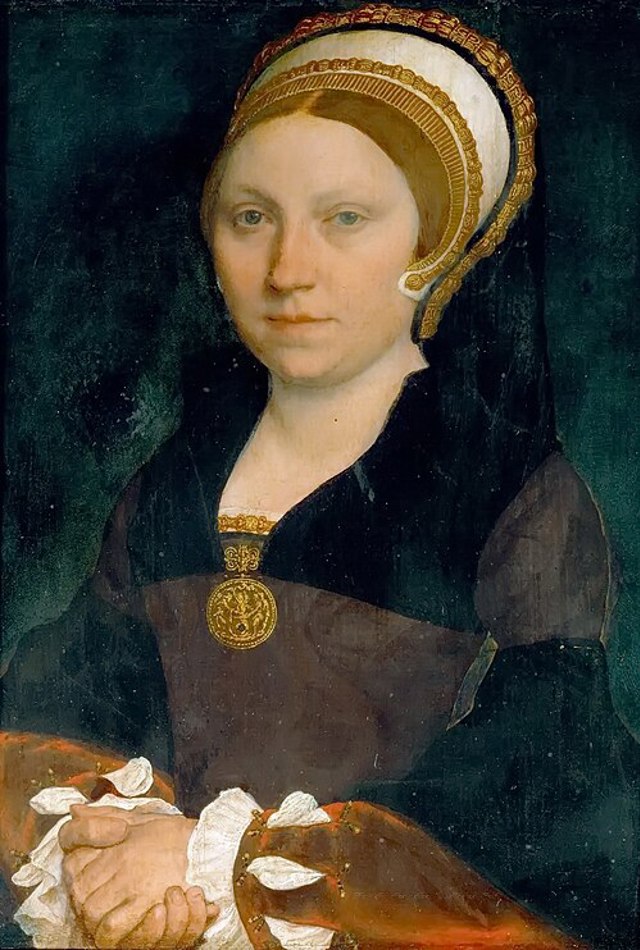
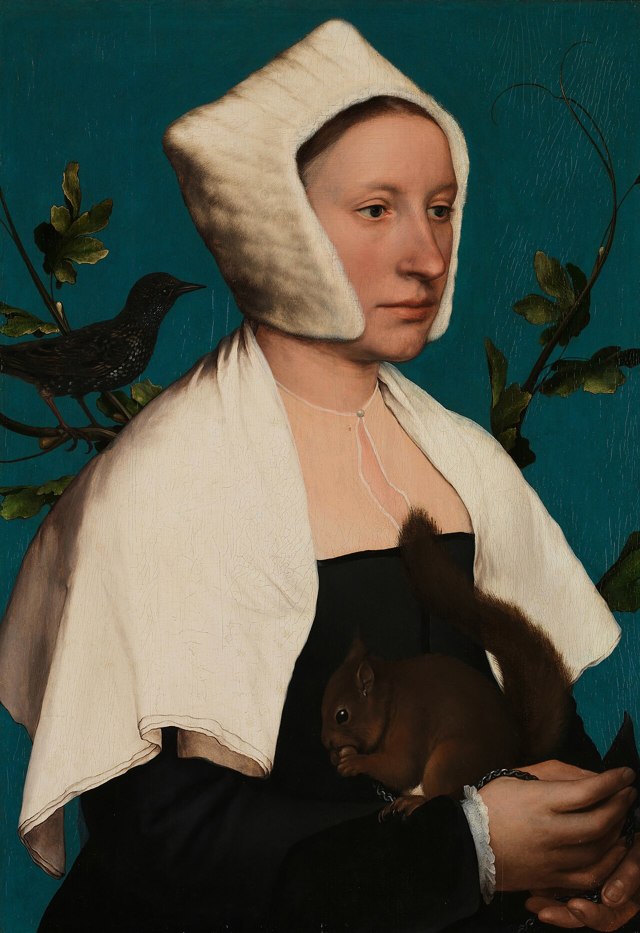
A partlet is a separate piece that covers the neck and shoulders, filling the low neckline of a gown or kirtle. In the 1530s and 1540s it might be fine white linen worn under the gown, or a richer fabric such as velvet or silk worn over it, sometimes with a small standing collar of its own. Partlets were pinned or tied in place, which made them easy to change and easy to wash.
From frill to ruff
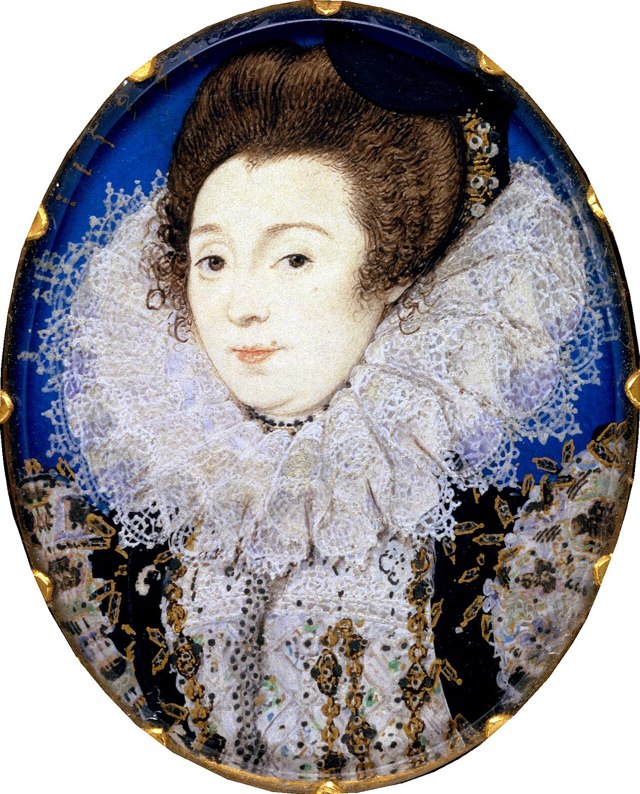
The ruff began modestly, as a small gathered frill on the neckband of the smock or shirt. Through the 1550s and 1560s that frill grew, and once it grew too large to stand on its own it became a separate garment, made of long strips of fine linen pleated into figure-of-eight sets and stitched to a band.
Starch made the bigger ruffs possible. The chronicler John Stow records a Flemish woman setting up in London around 1564 to teach the art of starching for a fee, and by the 1580s ruffs had grown wide enough to need careful handling, regular re-setting and a good deal of patience.
A ruff is not one garment you make once. It is a garment you set, wear, wash and set again.
Open ruffs and standing collars
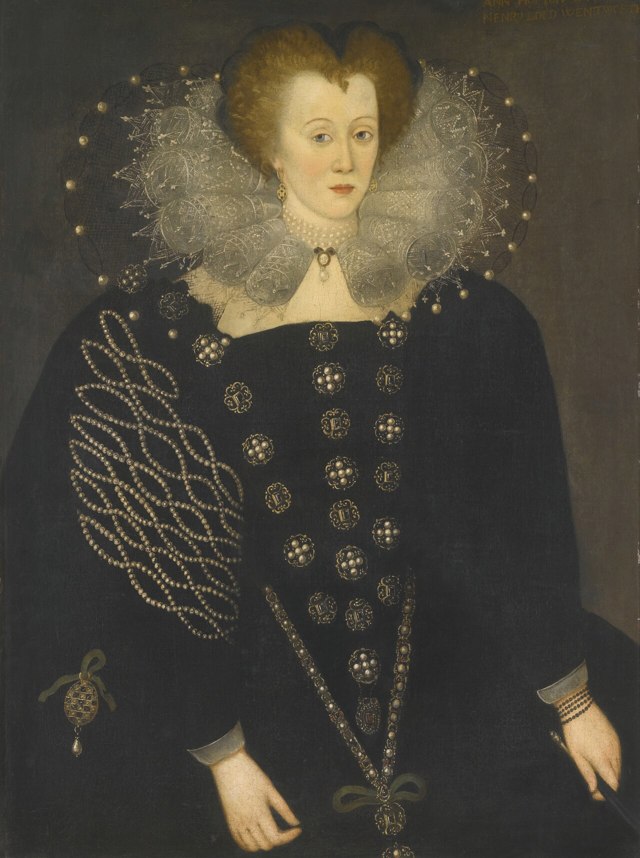
By the 1590s fashionable women often wore the ruff open at the front, rising behind the head like a fan, sometimes paired with a low, square or rounded neckline. Large standing collars of lace or fine linen needed a support beneath them: a wired or stiffened frame known as a rebato or supportasse, pinned to the bodice so the collar would stand away from the neck.
Rails and kerchiefs
Not everyone wore a ruff. For working women the everyday answer was a linen kerchief or rail: a square or shaped piece of linen folded around the shoulders and pinned at the front. The word covered several garments over the period, from a simple neckerchief to a small shoulder cape, but they all did the same job, protecting the neck from sun and dirt and keeping the outer clothes cleaner.
Which one to make first
Make a partlet first. It needs a metre of linen at most, teaches you to fit around the neck and shoulders, and works with almost any kirtle or gown from the first half of the century. Make a simple rail next if your persona works for a living.
Leave the big ruff until you have a reason for it and a free weekend. When you do make one, start with a small ruff on a band, worn with a high-necked smock. It will teach you pleating and setting without the frustration of a cartwheel that refuses to stay round.


